Friday, September 17, 2021

25th Sunday, Year B (Gospel: Mark 9:30-37) What is Salvation?


Why did you come here today? Why do Christians come together? To pray together, receive the Eucharist together and share the Good News of Salvation. But what exactly does salvation mean?


I remember seeing an old priest I knew when he was dying. He was curled up in the foetal position and he kept saying, ‘I’m never going to get to heaven…’ To me it was sad to see this man, a holy man, in such fear before he died. And it also said to me that he was not fully grasping the core message of our faith. He was basically saying that he was not good enough to get to heaven and he was right! None of us are and none of us could be good enough to get to heaven by our own strength. But the point of the message of Christ is that it is by his grace that we are given eternal life.


Since all have sinned...

Here is something that many Christians don’t get and this is really at the heart of our faith. Most of us believe that if we work hard enough at being good and doing the right things, we will be pleasing to God and we will become holy and so God will allow us to go to heaven. Right? Wrong! That is not the teaching of Christianity at all! The truth is that we cannot become holy enough by our own strength. We will always be sinners, we will always fall short, but it is God who makes us holy, if we are open to it.


No matter how hard we try, we will never be ‘good enough’ to go to heaven by our own strength. It is simply impossible because of the way we continually sin. So what are we to do? Think of it this way: it is as if we can get 80% of the way to coming close to God. But no matter how hard we try we will never be able to make up that other 20%. So what do we do? We don’t have to do anything because God makes up the difference for us. That’s what the death and resurrection of Christ means. Jesus makes up for us what we cannot do for ourselves. What do we have to do? We just have to accept that on faith. Listen to this quotation from St. Paul’s letter to the Christians in Rome.


Since all have sinned and fall short of the glory of God; they are now justified by his grace as a gift, through the redemption that is in Christ Jesus, whom God put forward as a sacrifice of atonement by his blood, effective through faith (Rom 3:23-25).

God made all people prisoners of disobedience, so that He might show mercy to them all (Rom 11:32).


This may seem a bit simple, but this is where so many people struggle so much and get so disheartened by their own sins and weaknesses, addictions, inadequacies. We think that because we keep on struggling we will never be good enough. That is correct! We will never be good enough by our own strength, but that doesn’t matter, because Jesus has made up the difference and made us ‘good enough’ by his death and resurrection. All we have to do is accept that and how do we accept it? By faith.


All of us struggle. I always find St. Paul’s own testimony of his weakness so encouraging. Remember, this is Paul to whom Jesus appeared several times and through whom many miracles were worked and so many people were converted and yet listen to what he says:

I do not understand my own behavior; I do not act as I mean to, but I do things that I hate.  ...the good thing I want to do, I never do; the evil thing which I do not want—that is what I do. (Cf. Rom 7:14-24)


Here he is again:

Wherefore, so that I should not get above myself, I was given a thorn in the flesh, a messenger from Satan to batter me and prevent me from getting above myself. About this, I have three times pleaded with the Lord that it might leave me; but he has answered me, ‘My grace is enough for you; for power is at full stretch in weakness... What a wretched man I am! Who will rescue me from this body that is infected by death? Thank God through Jesus the Messiah (2 Cor 12:7, 24).


Paul struggled with sin and his own weaknesses, so did Peter, so did Mother Theresa and everyone else in history, but the key to it is to realize that God makes us ‘good enough’ through the death and resurrection of Jesus. That is what salvation is.


Does that mean we can do anything we want?

And so, my dear friends, just as you have always obeyed, not only when I was with you but even more now that I am absent, continue to work out your salvation with fear and trembling (Phil 2:12).


We do our best to live holy lives, to follow the path that Jesus sets out for us, because this is the path that helps us to find the greatest fulfilment. It is not an easy path, but it is the most important one because it leads to God. God knows that the only way we will reach full happiness is in him. God points us in the right direction and calls us to follow this path, but it is up to us whether we do or not. Our struggles help us to grow in virtue, to become the best version of ourselves that we can be and we are called to this. The more we grow the more we resemble God and that is what God wants for us.


You will notice that people who are very holy are usually very much at home in their own skin. Is this because they have it all together and no longer sin? No. It is because they have come to realize that they must rely totally on God for everything and that everything is done for them in Jesus. This allows them to be at peace and they know that. It is Jesus who makes all things possible. He makes eternal life with God possible and they know that. So they rely totally on God and they submit everything to God’s mercy. The closer we get to God, the more it grieves us to offend him, not out of fear of punishment, but because we are hurting someone we love. Padre Pio has this beautiful saying: ‘My past O Lord to thy mercy; my present O Lord to thy love; my future O Lord to they providence.’ 


In the early Church the main thing that the Apostles preached was very simple. It was known as the Kerygma, which means to cry or announce: ‘Christ died for our sins so that we would be acceptable to God and that Jesus Christ is Lord’. We are created out of love and we are created for love; to be in the love of God for all eternity. All the writings in the Bible (the Scriptures) point to this.

For Christ also suffered once for sins, the righteous for the unrighteous, to bring you to God. He was put to death in the body but made alive in the Spirit.


This is why the Apostles and so many others went crazy with this message and were happy to sacrifice the rest of their lives to pass it on. This is why the martyrs died for what they believed in, because there is nothing greater than this message and this is why we are here; to share and pass on this extraordinary message, which tells us that we were created with a definite purpose and that eternal happiness awaits us if we accept it. This is what our whole life is about.


What about all those who are not Christian or never come to hear of Christ? Can they go to heaven too? Of course they can, if they live the right way. No matter what religion they are part of, when they die all people will know at that moment, who Jesus is and what Jesus has done for us by dying for us and then they must choose. Primarily they choose for or against God by the way they live their life.

For Christians, we understand that we must be baptized, accepting Jesus as Lord, but that doesn’t mean it is the only way for those who are not Christians. 


So is there any advantage to being a Christian? Yes there is. It is an enormous privilege, because it means that we already know what God has done for all humanity through Jesus and we have the gift of that knowledge to help us all through our life. This is why Jesus told the apostles to go and preach this message to everyone, because everyone should know about this. This is what makes sense of our life and gives us more hope than anything else.

Therefore God exalted him to the highest place

and gave him the name that is above every name,

that at the name of Jesus every knee should bow,

in heaven and on earth and under the earth,

and every tongue acknowledge that Jesus Christ is Lord,

to the glory of God the Father (Phil 2:9-11).


Saturday, September 11, 2021

24th Sunday Year B (Gospel: Mark 8:27-35) ‘Whoever wishes to come after me, must deny himself, take up his cross and follow me.’


There is a story about some Christian missionaries who went deep into the Amazon to bring Christianity to the native tribes. They set up a small camp, put up some huts and built a small chapel. After some time some of the natives began to get curious enough to go to the camp. When it was quiet, one of them ventured into the chapel to see what was there. When he saw what was on the wall, he ran out screaming.


Today we are presented with one of the most difficult mysteries of our faith. The mystery of the cross. It is a turning point for many. This is where Christianity differs from many other religions. Many of the world religions such as Buddhism and Hinduism try to rise above suffering, so that you are no longer affected by it. For us we believe it is part of the way to God. We believe that our life is transformed through suffering. It is part of the path to heaven.


When we suffer we often cry out to God, ‘Why have you done this to me? Why do you allow this to happen to me?’ I should not have to suffer.’ I have often heard this in hospitals, where people say, ‘Father, why has God done this to me, what did I ever do wrong?’ as though it were a punishment. We forget the line from Scripture that says, ‘If anyone wants to be a follower of mine, let him renounce himself, take up his cross and follow me.’ It is part of our life on earth. 


In this Gospel, after Peter recognizes that Jesus is the Christ, Jesus immediately starts to talk about how He will suffer. You would imagine that that would be the time when He would start talking about how the Kingdom of God would eventually win out and He would return as king. Instead, Jesus speaks about the suffering and death that awaits him. Peter wants to focus on the glory, which is real and to bypass the suffering that Jesus is talking about. In one of the other Gospels Peter says, ‘Heaven preserve you Lord, this must not happen to you’ (Matt 16:22). ‘You are to be the King and all people will bow down to you.’ And Jesus said, ‘Get behind me Satan (enemy) for the way you think is man’s way, not God’s.’ Jesus is saying, ‘You don’t understand this now, but it has to be this way. This is part of the path. If you want to follow me you will suffer too.’ None of us want to hear that, but it is what the Lord told us.


The cross that we have to carry is a combination of the trials and difficulties that we go through: health problems, losing work, marriage breakup, the death of our loved ones, unjust persecution and abuse. All of it seems wrong and unfair and we cannot understand why God allows it. We tend to see it as things going wrong. Remember Jesus’ prayer in the garden of Gethsemane, ‘Father, if it is possible, let this cup pass me by…’ (Matt 26:39). He did not want to go through what was about to happen. He was terrified, because He knew what faced him and in his humanity, He recoiled from it, as any of us would. He was afraid, but He also trusted that if the Father allowed it, then it had to happen.


The sufferings we go through have a part to play in our journey to God, but we don’t understand it, and that is part of the suffering. If we knew that good would come out of the various trials we go through, it would make it a lot easier, but we don’t and this is part of the suffering. Sometimes it is when we are suffering that God seems to disappear too, making it even harder. Remember Jesus’ words on the cross. ‘My God, my God, why have you abandoned me? (Matt 27:46). The Father allowed Jesus to feel abandoned, which is one of the hardest parts of suffering. There is no one left to turn to, not even God and Jesus was allowed to experience this too. Why did the Father allow Jesus to feel abandoned at the time when He most needed comfort? Because by doing that, Jesus experienced suffering to the maximum degree. We can never say, ‘You don’t know what it’s like! because He does.


This is one side of the cross: that we will suffer. It says in the Scriptures, ‘Christ had to suffer.’ And it also says, ‘The disciple is not greater than the master.’ In other words, we will suffer too. God is also saying to us not to be afraid of suffering. Don’t be afraid when everything seems to be going wrong, instead, turn to the cross, take it in your hands and kiss it, and say, ‘Jesus I know you are with me in this, help me to carry this cross’, and He will.


There is a beautiful tradition from Croatia where a couple getting married bring a crucifix to the church. The priest says a prayer of blessing over the cross and when the wedding is over the couple bring the cross to their new home and place it in a prominent position. The idea is that they will come before the cross in their sufferings and difficulties and ask Jesus to help them. They will not run from their problems, but face them and ask for God’s help; and most importantly that they will keep Jesus at the center of their home.


The other side of the cross is the victory of the cross. We tend to only focus on the suffering, but it was the power of the cross that broke the power of Satan and the power of sin and death. Through the suffering and death of Jesus, eternal life was won for the whole human race. That means that suffering has enormous spiritual power. The most powerful thing we can offer to God, is the suffering we go through. Think of the people you worry about and pray for. Offer your sufferings for them, uniting your suffering to the suffering of Jesus on the cross.


Think of your children, or grandchildren who have turned away from God and how much it grieves you. Offer the suffering that this is causing you, for them. It is a way of turning it around. We don’t want to suffer, yet the suffering we go through is also a weapon which we can use to help the people we love. That’s why we talk about the importance of prayer and penance. Penance is taking on some kind of suffering, even if small.


Do you believe in the power of the cross? Do you have a crucifix in your home? If you don’t, it says a lot about what you believe. By having a crucifix in your home where people can see it, you are saying ‘I belong to Jesus Christ. I believe in what he has done for me, Jesus Christ is Lord for me.’


There are many today who deny parts of their faith, while still claiming to be Catholics. They are not. To be a follower of Jesus, is to embrace what Jesus has taught us, all of what He taught us. God doesn’t ask us to accept the parts of his word that we like, but all of it, including the cross. But He also reminds us that the cross, the difficult parts, area also part of what lead us to him.


Whoever wishes to come after me, must deny himself, take up his cross and follow me.’


Friday, September 3, 2021

23rd Sunday Year B (Gospel: Mark 7: 31-37) The meaning of death


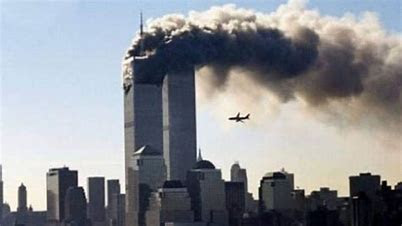
 Saturday is the 20th anniversary of 9/11, one of the most shocking events we will remember in our lifetime. It is hard to understand that people can be so filled with hatred and have such a twisted understanding of God, that they believe they are pleasing God by killing innocent people and that they will go straight to heaven for doing it. It is also a reminder of the danger of extremist views in any religion.


In the last few years we have seen quite a number of these terrible disasters, where thousands of people are killed in an instant, like the tsunami in Indonesia and the hurricane in New Orleans. The one that stands out most in my mind is the tsunami in Indonesia in 2004, where over 230,000 people were killed in a few minutes; whole families wiped out in an instant. I remember one of the programs about it where they interviewed a man who had lost his wife and five children. What do you do after that? These things are very frightening and we hope and pray that they won’t come to our doorstep. However, one good thing that comes from them is that they make people think. They make us ask some of the most fundamental questions: what is my life about? Why am I here? What happens when I die?  Does anything happen when I die? Depending on how I answer these questions will make a big difference as to how I live this life.


If death is the final end of us, the extinction of our existence, then it is surely the greatest disaster imaginable and there is no way we can be consoled when we lose someone we love. However, if death is just the end of our time here on earth and is then the beginning of an eternal life of happiness with God, where we are reunited with the people we love, in a place where we will no longer suffer, or have to say painful goodbyes, then it is very different. If there is a place that we call heaven, then these disasters like 9/11, the tsunami, the hurricanes and everything else, while they are terrible events, they mean that those who have died have gone to the same place that we hope to go, but they have gone there sooner than we were expecting. They have gone on ahead of us. If they really have gone to this place called heaven, then it puts things in a very different perspective. If the life they are now living is much better than this one, and we believe this is true because God has taught us this, then we needn’t be sorry for them because they didn’t get to live this life for longer. When people die young, we tend to think it is unfair, because they didn’t get the chance to do so many things.  But if where they have gone is incomparably more wonderful than here, then we can be happy for them that they no longer have to go through the evils of this world. Personally, I would much prefer to be in heaven.


The hardest part is for those left behind, because we can’t see any further than death. We are suddenly cut off from the ones we love and it causes us great loneliness and pain. We believe and hope, yes, but we don’t know for sure, because the next world is hidden from us. Why is it hidden from us? Wouldn’t it be much easier if we could see what awaits us? It would be easier, but then we would not have the chance to grow in holiness, to grow closer to God. Part of the struggle of faith, is the fact that we don’t know and God calls us to persevere, to continue to do what is right, even though we cannot see what awaits us. He is asking us to trust him. There is this beautiful passage in St. John’s Gospel which I usually read at funerals:

Do not let your hearts be troubled or afraid. Trust in God still and trust in me. There are many rooms in my Father’s house. If there were not, would I have told you that I am going to prepare a place for you? And if I go and prepare a place for you, I will come and take you with me, so that where I am, you may be too.’ (John 14:1 ff)


How are we sure there is a heaven? Mainly because God has taught us this and has taught us that this life is merely a preparation for it. If we believe that, and I certainly do, then it will make a big difference as to how we live this life. If there is nothing after this life, then you might as well grab all you can now, so to speak. But if there is something much better, as we believe, then it is well worth making sacrifices for it and not living in a totally selfish way.


Jesus spent most of his ministry teaching the people about the Kingdom of God, which begins here, but is mostly experienced in the next life. Why would Jesus bother doing this if it wasn’t true? Why would he go through the terrible death he went through, if there was nothing after? The miracles that Jesus worked were a sign of what awaits us. He brought healing everywhere he went. This was also a sign of what awaits us.


Over the last century Our Lady has appeared in many parts of the world, and one of the reasons is to remind us that heaven is real and that it is worth living this life as well as we can, because there are consequences to how we live.


When people die it is natural that we mourn for them, but if we want to show them that we love them, then the best thing we can do is to pray for them. Today many people will come to a funeral, but not that many of them believe in praying for the person who has died. Our prayers for them are of much more value than our tears.


When someone dies we usually find ourselves saying, ‘At least they are in heaven now.’ The reality is that they are probably not there right away, because very few people are so close to God when they die, that they are able to come into the direct presence of God. It would simply be too much for us. No sin can exist in the presence of God. How many people die without any sin, or without having to make any atonement necessary for their sins? So there is what we call Purgatory, a purification, a time of getting ready for heaven, or adjusting to the light, if you like. Imagine coming to a place where the light was a hundred times brighter than the sun. We wouldn’t be able for it right away, so we have to spend a while getting used to this more intense light, if you like, and also atoning for, or making up for, what we have done wrong that we have not repented for. Purgatory is a final purification. This life is a kind of purification too, but not as intense.


What about the idea of hell? Is that just a medieval fairy tale, to scare us?  It might sound strange but it makes a lot of sense that hell is real for the simple reason that we have free choice. We can choose to reject God if we wish. If God is all that is good, beautiful, loving, perfect, etc., then hell is the loss of all this: so hell is isolation, darkness, pain, separation, etc.


God has created us for happiness, for a life with him and united again with the people we love. And God who is all powerful, will do everything possible to get us there. So if we are open to God, even in the smallest way, we have nothing to worry about. We needn’t be afraid either for those we love if we are praying for them, because God is just as concerned about them as we are and will do everything to help them.


Do not let your hearts be troubled or afraid.  Trust in God still, and trust in me.’


Friday, August 27, 2021

22nd Sunday Year B (Gospel: Mark 7:1-8, 14-15, 21-23) From the heart


After mass one Sunday a young man said something interesting to me. He said, ‘Father, I think that at the mass you should be talking about loving each other and not just talking about things from the bible which people don’t understand.’ It is an interesting point and I agreed with him, partly. A few years ago at a wedding a man said almost the exact same thing to me.  He said, ‘You should just be telling us to be good to each other. There is no need for all these words from St. Paul to the Corinthians, etc.’ They are both right about the need to talk about loving each other, because that is one of the most important things that Jesus asked us to do, ‘Love one another as I have loved you.’ ‘Love your neighbour as yourself.’ That is how Jesus told us that people would recognise us as Christians, by the way we love each other. But there is another part to it which is easy to forget.


If we are to love one another, and that is what the Lord God tells us to do, where are we supposed to get the strength to do that? How are you supposed to love people who are difficult, or who are unjust to you, who do you wrong, or steal from you, who have cheated you out of money, or offended your family? Since they are in the wrong, are we still expected to love them? Yes we are. ‘Love your enemies, pray for those who persecute you, bless those who curse you.’ It seems to be a lot to ask.  In fact, it can seem quite unrealistic. This is where we have to go back to the Scriptures to see what God is saying to us, to try and make sense of this. And Jesus says, the two most important commandments are, first, ‘You must love the Lord your God above everything else’. Second, ‘You must love your neighbour as yourself.’ This may not seem very important, but this is where the answer lies.


What God is telling us is that if we are rooted in him, if he is at the center, and we become more and more filled with him and with his love, then and only then will we have the ability to love other people. We get the strength to love people, especially those we find more difficult to love, from the love we experience from God. The more our relationship with him grows, the more this is possible.


Let me give you one example. There is a woman called Sister Alvera, from Italy.  Several years ago she set up a community to help drug addicts recover. She believed that what these people were missing more than anything else in their lives, was the love of God, and that this was where their problem was really coming from. So she set up a centre to help them recover, a place where they could experience the love of God first hand from other people. They live like a religious community. They have no TV, no radio and no newspapers. They do a lot of physical work and they pray a lot together. The interesting thing is that through this way of life (which is basically a monastic way of life – prayer and work) hundreds of men have overcome their drug addiction, but more importantly they have discovered faith, discovered the love of God for them and begun completely new lives. Sr. Alvera now has 36 different centres all over the world. They are known as the Cenacolo community.


There are hundreds of people like Sr. Alvera and not all religious either. The Missionaries of Charity, whom Mother Teresa founded, are another. How do they do this kind of work? It sounds very noble to work with the poor, but it can be really disgusting and dangerous too. Where do they get the strength to work with people who can be very difficult and sometimes ungrateful? The answer is that they are completely rooted in God. Their own personal relationship with God is where they get the strength and energy.


A few years ago I watched a BBC interview with some of the women fighters in Syria who fight with the YPG, or Kurdish coalition fighters. They are an all women group of soldiers fighting against ISIS in Northern Syria. The journalist was asking one of them how she felt about ISIS since they were killing her own people. Among other things that she mentioned, she said ‘We have to remember that they are people too.’ I was really surprised and impressed by this. This lady, although fighting this force of evil, was able to distinguish between the evil and the fact that they were also human beings. She had an inner sense of what is important and the value of each life. I’m sure those women didn’t want to be there, but they felt the need to be there to help protect their own people. ‘We have to remember that they are people too.’


What exactly does it mean to love your enemies, to love your neighbors who are difficult, or disrespectful? It doesn’t mean you have to like them, but it means we recognise their dignity as human beings, and respect them as human beings.


Our ability to love one another, to put up with and respect those we don’t like, or agree with, comes from our relationship with him. The more we come to know God, the more we can love the people around us, starting with our own families, our spouse, whoever is closest to us. As we come to know the Lord more, our ability to love others also grows. The key is in coming closer to God, nothing else.


How do we come closer to God? First, through prayer, through reading his words in the bible, through giving God our time, through receiving Jesus in the Eucharist. In the Gospel Jesus warns the people not to get caught up in lip-service. Doing religious things, such as going to mass every Sunday, does not mean you have a relationship with God. It must go deeper than that. Our relationship with God has to be from the heart. A real relationship with anyone has to be from the heart, or else it is not a relationship.


As a priest, I celebrate mass every day and pray the Psalms five times every day. That is part of what you promise to do when you are ordained. But just doing these things does not mean I have a relationship with God. They are important things to do, but they are not going to help me, unless I am living my relationship with God from the heart. My relationship with God is just the same as with anyone I love. I spend time with them, I listen to what they have to say, I make sacrifices for them and try to please them, because I love them. If it is important to me, I will make time for it.


All of these things help to bring about conversion of the heart, rediscovering God, coming closer to him. Only then will we be able to love the people around us and only then will our society begin to improve.


You must love the Lord your God with all your heart and soul. You must love your neighbour as yourself.’


Friday, August 20, 2021

21st Sunday Yr B (Gospel: John 6:60-69) What about you, will you go away too?


When I was a deacon I was sent to a conference in Los Angeles. I spent two extra days in a parish there. The pastor was an Irish man and he was explaining how things work over there. He said that for years there was a man in the parish who used to lead the folk group. He played the guitar. Then one day he decided to start his own church. So he rented a building down the street and started his own church, just like that. That’s how it works in LA.


What if you could change whatever parts of the faith you wanted to? You could have women priests, married priests, divorce, contraception, etc. You could change some of the more difficult teachings like having to love your enemies; seems a bit extreme after all and you could tailor it just to suit your own needs. You could believe what you wanted to believe. What would you end up with? A feel-good religion of nice ideas, of wishful thinking. It would mean nothing. It might make you feel better, but it would be empty. Why? because it would be man made, not God made.


The word of God and the teachings of God are demanding, but they are God’s teachings, not just something we made up. We are free to either take it or leave it, to accept it and struggle with it, or to walk away from it. When we come across parts of the Bible that are difficult, we tend to say it must be wrong, since it doesn’t make sense to me. I think it would make more sense to say it is right because it is the word of God, but I don’t understand it. Therefore I have to try and understand what it means, rather than discard it.


Rafael's 'Discussion on the Eucharist', Vatican City


In this Gospel passage, Jesus is just after teaching about the Eucharist. He said, ‘I am the bread of life’ and ‘Unless you eat my flesh and drink my blood you will not have life in you.’ And the people said, ‘This is too much, who could accept it?’ and they walked away. But Jesus’ response is even more interesting. He didn’t go after them and say, ‘Let me explain’. Instead, He just let them walk away. The only thing He did was say to the Apostles, ‘Are you going to go away too?’ In other words, ‘This is my teaching, take it or leave it.’ And it says that ‘As a result of this many of his disciples returned to their former way of living and no longer accompanied him.’ They couldn’t accept what He said, so they left, but He didn’t change anything He had said. How could He, if it is the truth? and this applies to all of the teachings of Christ, handed down to us. They don’t change. They cannot change, because they are truth, but we are free to accept them or not.


Jesus says to us, ‘If you love me, you will keep my commandments’ (Jn 14:15). Above all this means putting God above everything else; above your wife, or husband, above your children, above your work. God must be first and God assures us that if we put him first, everything else will follow. ‘Seek first the kingdom of God and his righteousness and all these other things will be given you as well’ (Matt 6:33). ‘If you put me first, I will take care of all your needs.’ The problem is that we usually think we have to get everything else in our life in order first and then we will turn to God. But the Lord is saying it must be the other way around. He must be first in everything.


Recently, on the back window of a car, I saw this Scripture reference: 2 Chronicles 7:14. Off the top of my head I didn’t know what it was, so I looked it up. It is a perfect Scripture for our times. It says:

If my people who are called by my name will humble themselves and pray and seek my face and turn from their wicked ways, then I will hear them from heaven and I will forgive their sin and heal their land.”


Look at what is happening across the country and all over the world. Huge fires, floods and many volcanoes coming to life which have been dormant for years, even centuries. There is chaos in our society, with people turning against people. ‘Oh, it’s just climate change.’ Is it? Perhaps it is exactly what it says in Scripture. When the people turn away from God and worship other gods, God’s blessing is lifted from the land. The people no longer have God’s protection. This is what happened time and time again with the people of Israel. When they got comfortable, they turned away from God and worshipped other gods. Chaos followed, their society began to fall apart and their enemies took over, until eventually they recognized their sin and turned back to God asking forgiveness. Are we worshipping other gods? Yes, the gods of money, pleasure, self. We have child sacrifice, which is abortion. Last February, in congress, a congressman publicly said, ‘The will of God is of no concern to this congress.’[1] All these things are abhorrent to the Lord. That’s what the word of God says. These things are detestable to the Lord.


To restore God’s blessing on the land, we have to do what God asks us to do, which is to put him first, to repent of our sins, to confess our sins and to live by the ways of God. ‘I don’t need to confess my sins to a priest. I can tell God I’m sorry myself.’ Sure you can, but that’s not what God asks us to do. God asks us to confess to his priests, because that way we are being held accountable. There is no sense of accountability if we just tell God we are sorry by ourselves. That is why God established the gift of confession, which is one of the sacraments of healing. He wants to heal us.


I find it interesting that at this time, many Christian leaders, Protestants, Catholics and Evangelicals, are all saying the same thing. God is telling us to repent and turn back to his ways and what we are seeing happening around us are signs that we need to wake up.


If it were impossible for us to follow God’s teachings, He wouldn’t have given them to us. So it must be possible, but it does require a definite decision on our part. Trying to do it on our own can seem impossible, but God doesn’t ask us to do it on our own. He asks us to continually turn to him and use the help He offers us, which He gives us above all through the Eucharist, through Confession, through the Scriptures. God gives us all the help we need, if we ask for it.


Lord where else will we go, you have the message of eternal life and we believe, we know you are the holy one of God.’


[1] Congressman Jerry Nadler, Feb 27th, 2021:

What any religious tradition ascribes as God’s will, is no concern of this congress.”


Friday, August 13, 2021

Assumption of Our Lady (Luke 1:39-56)


The feast of the Assumption that we celebrate today means very simply that Our Lady is in heaven. The teaching itself says: ‘At the end of her earthly life, the Immaculate Mother of God, ever Virgin, was taken to Heaven body and soul in heavenly glory.’ It doesn’t say how it happened or when it happened, but just that it did happen and that Mary is now in heaven, in body and soul. It is a way of saying that because of the extraordinary position that Mary was given, by being the Mother of Jesus, she shared in his sufferings and she also shared in his resurrection and so was taken up to heaven at the end of her life.


When the angel Gabriel came and told Mary that God was asking her to become the Mother of Jesus, some of the first words of the angel were: ‘Mary, do not be afraid, you have won God’s favour’(Luke 1:30). What the angel said to Mary, might be summed up in a different way. The angel was essentially saying: ‘Mary, God is asking you to put aside all your plans for the future and do his will instead. Do you accept?’ In a way, this is what the angel was saying to her, but he started it off with ‘Mary do not be afraid.’ ‘God knows what he is doing.’


I am sure Mary had her own plans as to how she would serve God and she was obviously a very holy woman, the greatest saint that ever lived. It seems that she didn’t intend to have children, otherwise why would she have questioned the angel, ‘How can this be, since I do not know man?’ (Luke 1:34). She was already legally married to Joseph, so it would have been the most normal and expected thing, for her to have children. But God was asking her to put aside her plans and go in a completely different direction. What she was told didn’t make sense and humanly was impossible, but she believed and accepted. ‘Let it be done to me as you have said’ (Luke 1:38).


It would be easy to think that it would have been easier for Mary than for other people, because she was without sin. However, the fact that she was without sin means that she would have been more sensitive to evil and would have suffered more because of it than anyone else. She suffered from the time that the Angel appeared to her and told her that God was asking her to be the mother of God. She was pregnant before she came to live with Joseph in a way that was impossible to explain, or understand from a human point of view. According to Jewish law, to be betrothed to someone meant that you were already married legally, but weren’t yet living with them. So how would Mary explain this to Joseph? The embarrassment, fear and tension there must have been for her. And according to Jewish law a woman could have been stoned to death if she was found to be pregnant outside marriage. Joseph obviously didn’t understand either, since he decided to divorce her and it was only at the last minute that God told him to take Mary as his wife. ‘Joseph, do not be afraid to take Mary as your wife…’ (Matt 1:20).


The birth of Jesus was in difficult circumstances, definitely not how you want things to be for the birth of your child. They then had to leave their country because of a death threat. Later on Mary and Joseph lost Jesus for three days. Can you imagine the stress of losing your child for three days? And finally the betrayal, arrest, torture and death of Jesus and she could do nothing except watch. But Mary never gave up hope. She continued to believe that God would make sense of it. After the resurrection she stayed with the Apostles and encouraged them as they waited for the gift of the Spirit before Pentecost.


Why did God allow her to suffer so much? He could have made it easier. It seems that suffering has a part to play in our journey to God. ‘Unless you pick up your cross and follow me, you cannot be my disciple’ (Matt 16:24). ‘Small is the gate and narrow the road that leads to heaven and only a few find it’ (Matt 7:14). The trials we go through are what help us to grow, what refine us. You don’t grow when you are on vacation and the Lord is always helping us to grow.


No doubt all of us have, or had various ideas as to what we would do with our lives, but often the path we follow goes in directions that we didn’t expect, or don’t want. We usually see these changes as things ‘going wrong,’ disappointments, but in God’s plan that is not the case. Out of every disaster God can bring the greatest good, though we may not recognize it until later on.


Think of the words of the two disciples on the road to Emmaus, ‘Our own hope had been that [Jesus] would be the one to set Israel free’ (Luke 24.21). ‘We are so disappointed.’ And Jesus’ response to them was, ‘You foolish men, so slow to believe all that the prophets have spoken’ (Luke 24: 25). They were only able to see the death of a holy man, but it was the event that changed history forever. It is only when we get to heaven that we will see how all the difficult parts of our lives had a part to play and usually a very important part to play.


Mary, do not be afraid. You have found favor with God.’

Joseph, do not be afraid to take Mary as your wife.’


Friday, August 6, 2021

19th Sunday of Year B (Gospel: Jn 6:41-51) What is Baptism?


If you stepped outside into one of our summer showers here in Florida, you would be baptized/soaked/drenched! That is what baptism means. To be immersed, or soaked in something. I have to confess that for years I never fully understood what priests meant when they would talk about taking our baptismal promises seriously.


I would like to try and make sense to you of why we baptize a child or adult. Is it just because we are Catholic and we have to? Hopefully there is more to it than that. To make sense of baptism we have to go way back to the beginning.


We believe that God created everything: the visible world that we can see and the invisible world of the spirit, which we will see when we die. It says in the Bible that the last thing that God created was the human being. That is a biblical way of saying that we are the most important thing God created; his masterpiece and God created us to enjoy life with him, to be completely fulfilled in every way. It says that God walked among Adam and Eve in the Garden of Eden. God was with them and close to them. We also believe that somewhere way back at the beginning, something went wrong. We don’t know exactly what happened, but we call this Original Sin. It was a rejection of God’s word and what God offered us. God gave Adam and Eve clear guidelines. ‘You must not eat from the tree of the knowledge of good and evil, for when you do, you will surely die’ (Gen 2:17). In other words, don’t play God. Recognize your limitations and listen to what I tell you. But they listened to a lie instead. They allowed themselves to be persuaded not to listen to God’s word and in fact to reject it. As a result, everything fell apart. Sin entered the world, chaos followed. The generation after Adam and Eve produced the first murder. The harmony that existed between them was lost. Now they found themselves suspicious of God and there was tension between them. They were no longer at peace with themselves.


Because of this rejection of God, we lost the happiness that God created for us and the biggest problem was that we had no way of winning it back, no way of undoing the damage. How could any human being make up anything to God, since we owe everything to God in the first place? But because God loves us so much, He did not leave us in this situation. He would not allow his own creation to go to ruin. And so, through the death and resurrection of Jesus, He won back that possibility for us. To undo the damage, the offering had to be a human offering, to make up for a human sin, but it also needed to be divine offering, since nothing else could be acceptable to God. That is why the sacrifice of Jesus was the perfect offering, because He is both fully human and fully divine. Jesus became the bridge between heaven and earth. That is why the symbol of the crucifix is so important and so powerful. Through the death and resurrection of Jesus we are now offered eternal life with God, which will be our ultimate happiness.


However, God also gave us free will and so He does not force anything on us. Instead He offers eternal happiness to us, but we have to choose it. It is a gift freely offered to us. When we are baptized we are saying, ‘Yes. I believe this and I want this. I believe that God is real and that God offers me eternal happiness. I believe that God has made it possible for me to have eternal life with him and I want that. I want all that God is offering me, which has been won by the death and resurrection of Jesus. I want it all. Let me be drenched in it, soaked in it, baptized in it.’ That is why baptism is so important.


Why do we baptize a child, since a child is too small to know what is going on? Shouldn’t we wait until they are old enough to make that decision themselves? The reason we baptize a child, is because we want the very best of everything for our children and especially God’s grace. We want this promise of eternal happiness to be theirs from the start. We baptize a child on condition that we will teach them their faith as they grow up. If we don’t, then it is hypocrisy.


If an adult came to me and asked to be baptized, first they would have to undergo several months of instruction, so that they fully understood what they were taking on. Only then would they be baptized. When we baptize a child, we do it the other way around. That is why the parents promise to pass on their faith as the child grows and it is a serious promise, because it is a promise made to God. We are saying, ‘I will be responsible for teaching my child about all that God has done for us.


In the Gospels there is the account of Jesus being baptized. It says that when it happened there was a vision of the Holy Spirit coming down from heaven and resting on Jesus. Jesus didn’t need to be baptized, but He was showing us that when we are baptized we receive the gift of God’s Spirit, which enables us to live the Christian life. The oil we use is a symbol of the gift of God’s Spirit.


Most of us were probably baptized as infants, when someone else spoke on our behalf. Now that we are adults, we must speak for ourselves. In a moment we will renew our promises of baptism, which is another way of praying the creed that we say each week, but we do it in the form of questions and answers. Now you are adults, listen to these questions and answer them if you believe them. Each of us must claim this for ourselves. No one else can do it for us.


Does that mean that those who are not baptized cannot go to heaven? Of course not. For us it is necessary, because this is what has been revealed to us, but that doesn't mean that it is the only way. For those who have not known Jesus, what is important is that they live by the ways of God as they understand him. Even for those who have no idea of God, God speaks to them through their conscience, so no one can say they didn't know what was right and wrong. But for us who have understood what God has revealed to us through Jesus, it is necessary. To reject what God has revealed to us is to reject God.


God so loved the world that He sent his only Son

So that everyone who believes in him may not perish, but have eternal life (Jn 3:16)


The Word became flesh

And lived among us (Jn 1:14)